
How to Stay Active With Limited Mobility
There’s a difference between slowing down and giving up the parts of life that make you feel like yourself.
For many people, limited mobility can feel frustrating long before anyone talks about it openly.
You may notice yourself:
-
turning down invitations
-
avoiding longer outings
-
needing more recovery time
-
feeling nervous about stairs, crowds, or long distances
-
sitting out activities you used to enjoy
And over time, that can start to affect more than just movement.
It can affect confidence too.
The difficult part is that many people assume staying active has to look the same as it always did.
But it doesn’t.
Staying active is not about forcing yourself to push through discomfort or pretending nothing has changed.
It’s about finding new ways to continue participating in everyday life safely, comfortably, and confidently.
And often, small changes make a much bigger difference than people expect.
Staying Active Looks Different for Everyone
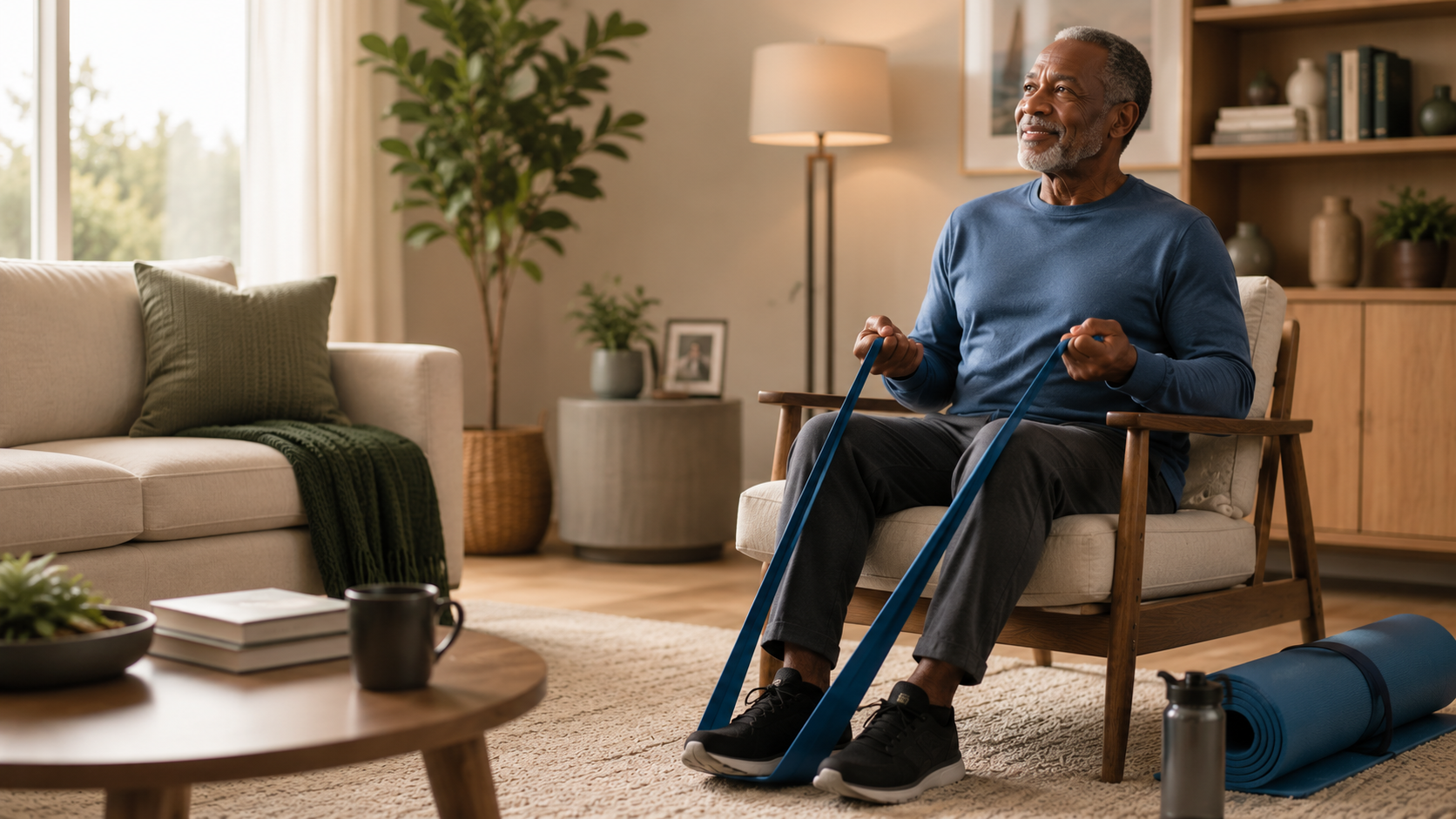
One of the biggest misconceptions about mobility challenges is that activity only means exercise.
In reality, staying active can simply mean:
-
getting out of the house more comfortably
-
spending time with family
-
walking through a store without exhaustion
-
enjoying a neighborhood outing
-
cooking in the kitchen with less strain
-
feeling confident enough to say “yes” to plans again
That’s important to remember because many people become discouraged when they compare themselves to how things used to feel.
The goal is not perfection.
The goal is maintaining connection, confidence, and independence in ways that work for your current season of life.
Start by Reducing Everyday Friction
A lot of people wait too long to make supportive changes because they think they need a “big solution.”
Usually, that’s not true.
Often, the first step is simply making everyday life less physically draining.
For example:
-
reducing unnecessary stair trips
-
creating easier entry access
-
improving seating comfort
-
adding support in frequently used areas
-
choosing mobility options for longer outings
When daily life requires less energy and stress, people naturally become more active again because movement no longer feels overwhelming.
That shift can be emotional as much as physical.
Mobility Support Can Actually Increase Independence
Some people hesitate to use mobility support because they worry it means losing independence.
But in many cases, the opposite happens.
The right support often helps people:
-
conserve energy
-
go out more often
-
participate longer
-
feel steadier and more confident
-
reduce anxiety around movement
For example, someone who avoids outings because walking long distances feels exhausting may suddenly feel comfortable visiting parks, restaurants, stores, or family events again with the right mobility solution.
It is not about limitation.
It is about support.
And there is a big difference between the two.
Focus on Comfort, Not Just Capability
One mistake people make is asking:
“Can I still do this?”
A better question is often:
“How can I make this feel easier and more enjoyable?”
Comfort matters.
Energy matters.
Confidence matters.
For example:
A lightweight travel scooter may be a better fit if:
-
outings feel tiring
-
portability matters
-
you frequently travel by car
-
you want something simple for everyday errands
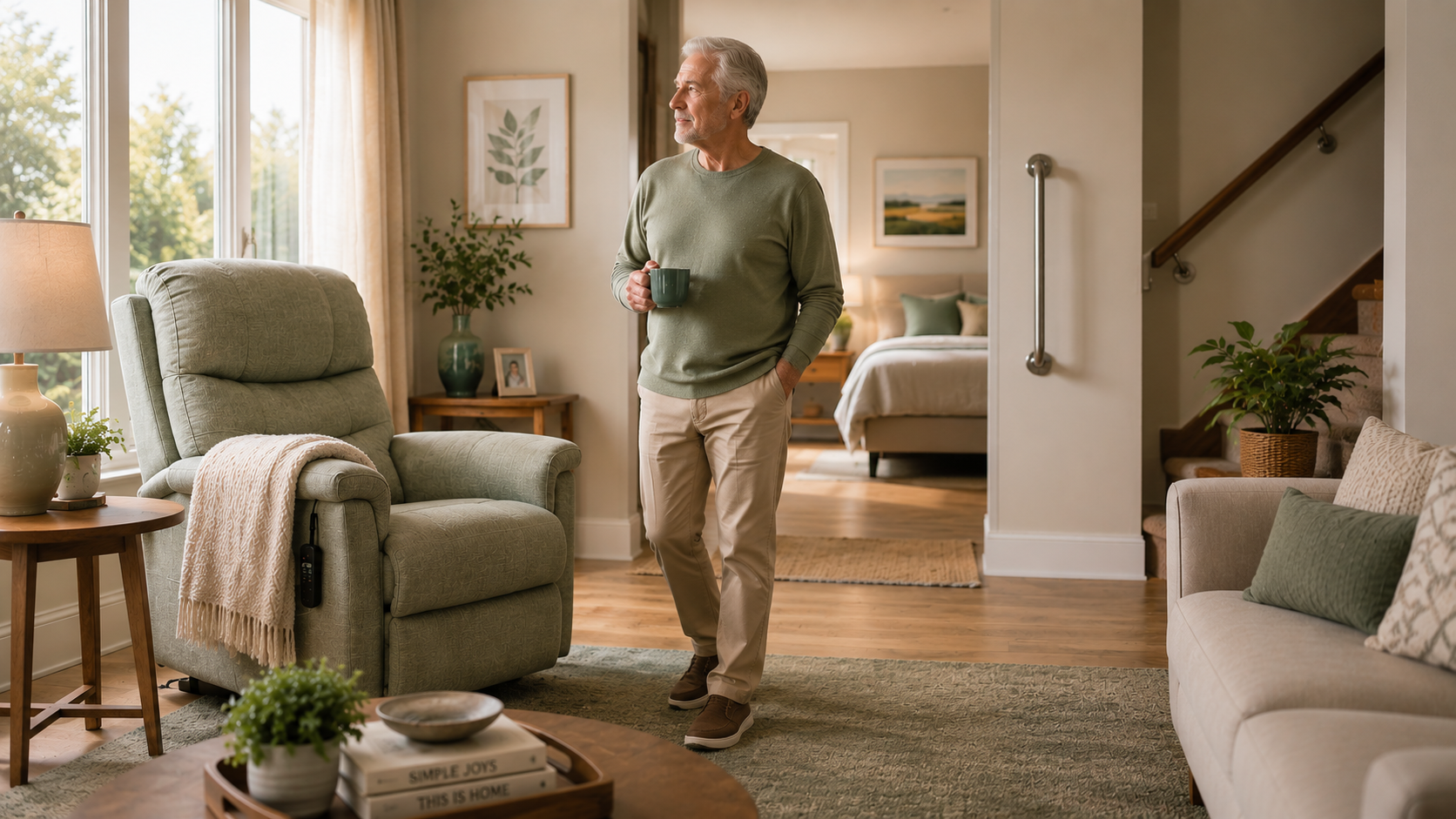
A lift chair may feel helpful if:
-
standing up feels difficult after sitting
-
recovery and comfort matter more throughout the day
-
you want support without dramatically changing your living space
Home accessibility solutions may help if:
-
parts of the home feel stressful to navigate
-
stairs create hesitation
-
certain rooms feel harder to access
The goal is not adding unnecessary equipment.
It is creating an environment where life feels manageable again.
Small Daily Habits Matter More Than Big Changes
You do not have to completely reinvent your life overnight.
Sometimes staying active starts with:
-
short walks
-
getting fresh air
-
spending time outside
-
moving more comfortably around the home
-
visiting friends or family
-
returning to activities you stopped avoiding
Even small improvements in confidence can create momentum.
And emotionally, that momentum matters.
Because once people stop feeling trapped by exhaustion, discomfort, or fear of falling, life often begins opening back up again.
Give Yourself Permission to Adapt
This part is important.
Adapting does not mean failing.
It means responding to your needs with care instead of frustration.
There is nothing weak about wanting life to feel easier.
And there is nothing wrong with using support that helps you stay connected to the people, places, and routines that matter most to you.
Many people discover that once they stop fighting change and start working with it, they actually regain more freedom than they expected.
Final Thoughts
Limited mobility does not mean life has to become smaller.
Sometimes the right support, environment, or routine adjustment can make everyday life feel more open, comfortable, and manageable again.
You do not need to solve everything all at once.
And you do not need to figure it out alone either.
At CareWay Living, we believe staying active is not about doing everything exactly the way you used to.
It is about continuing to live your life with confidence, comfort, and independence in the ways that matter most to you.
Explore more Guidance Center articles, compare supportive options, or reach out anytime if you would like help finding what may fit your everyday life best.

Written by Angie Cruz